Review by Ian Keogh
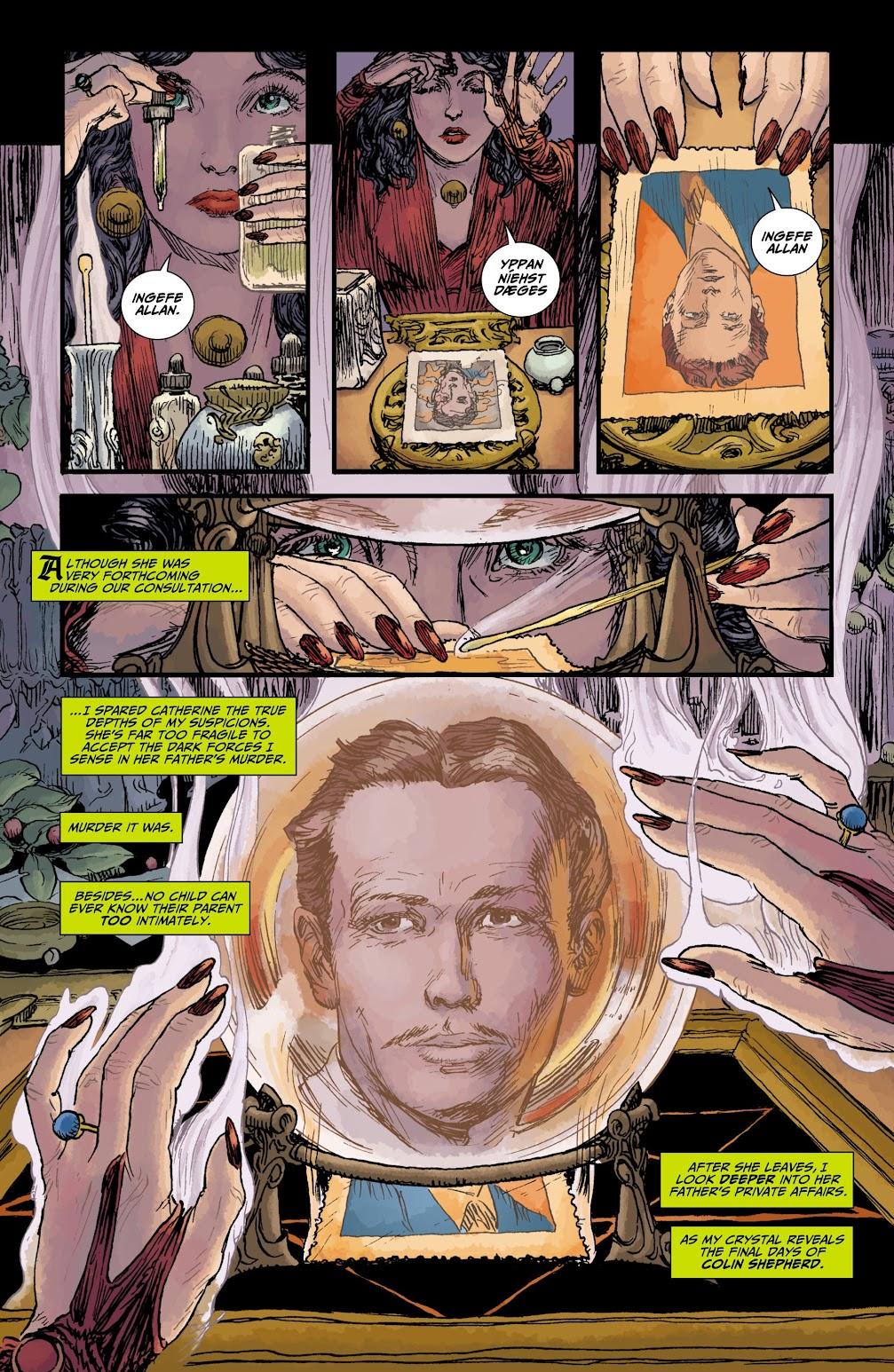
Having set up shop as mystic in 1940s New York Madame Xanadu’s help is solicited by Catherine Shepherd whose father has been murdered. The police consider his unusual death spontaneous combustion, but it doesn’t take much investigation to uncover a sinister business partner and a possible culprit fleeing the scene. Matt Wagner contrasts the present day of the 1940s with Madame Xanadu’s 15th century experiences in Spain coming under the pernicious religious influence of Tomas de Torquemada.
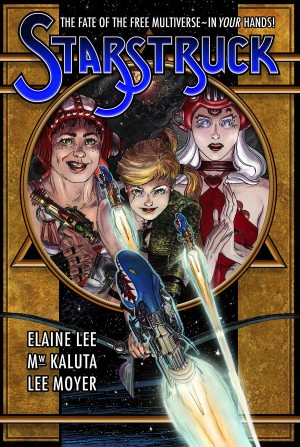
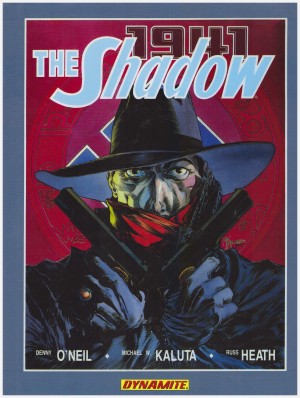
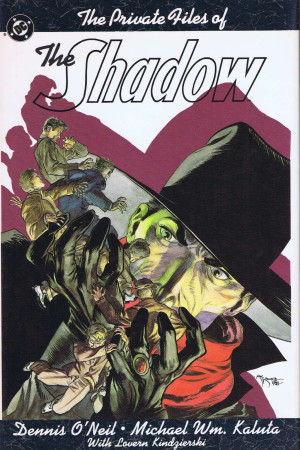
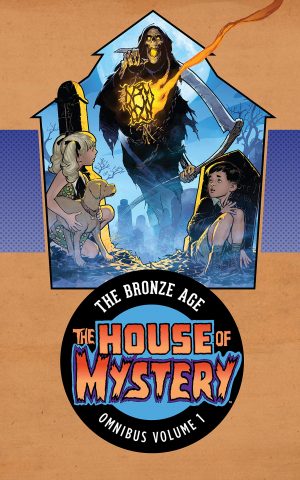
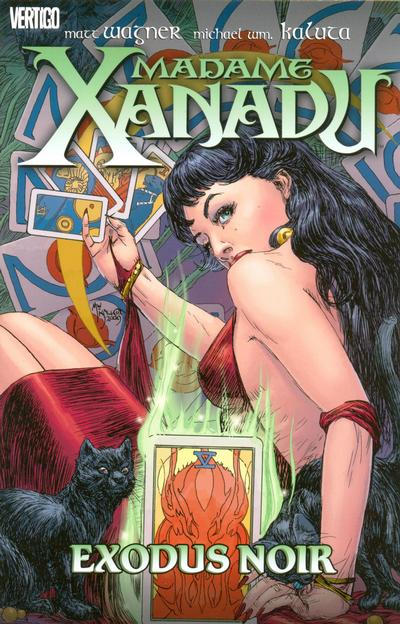
It was artist Michael Wm. Kaluta who designed the Madame Xanadu character in 1979, and he’s back to draw the second arc of her ongoing 21st century series, with the results being glorious. More so than in Disenchanted, we see Madame Xanadu relishing what she can do, flying around the ancient books section of New York’s library with a joyous abandon. The 1940s has always been Kaluta’s go-to era, and he depicts the architecture, clothing and vehicles with delicacy and elegance, yet when contrast is needed, the muscularity, power and savagery are evident in a dog fight. Wagner cleverly styles his story to Kaluta’s illustrative strengths, allowing him freedom to interpret a scene accompanying the narrative captions.
Wagner also comes up with clever little moments delivered visually. One is a charming location spell in which a small bird with a sharp beak is created and let loose to embed itself where the desired object is to be found.
Dian Belmont from Wagner’s Sandman Mystery Theatre has a supporting role, and eventually so does the 1940s Sandman, which is an indicator to this being a similar sort of mystery. Inexplicable deaths are occurring and there’s little clue as to why. Unfortunately there’s little suspense about the general procession of circumstances in the 15th century, which are entirely predictable. Wagner does connect events of five hundred years previously into the 1940s, but they’re unconvincing. As entrancing as Kaluta’s art is, and as good as the main story is, it would have been better contracted to four chapters without flashbacks and an ending more attuned to the era.
Broken House of Cards is next.