Review by Ian Keogh
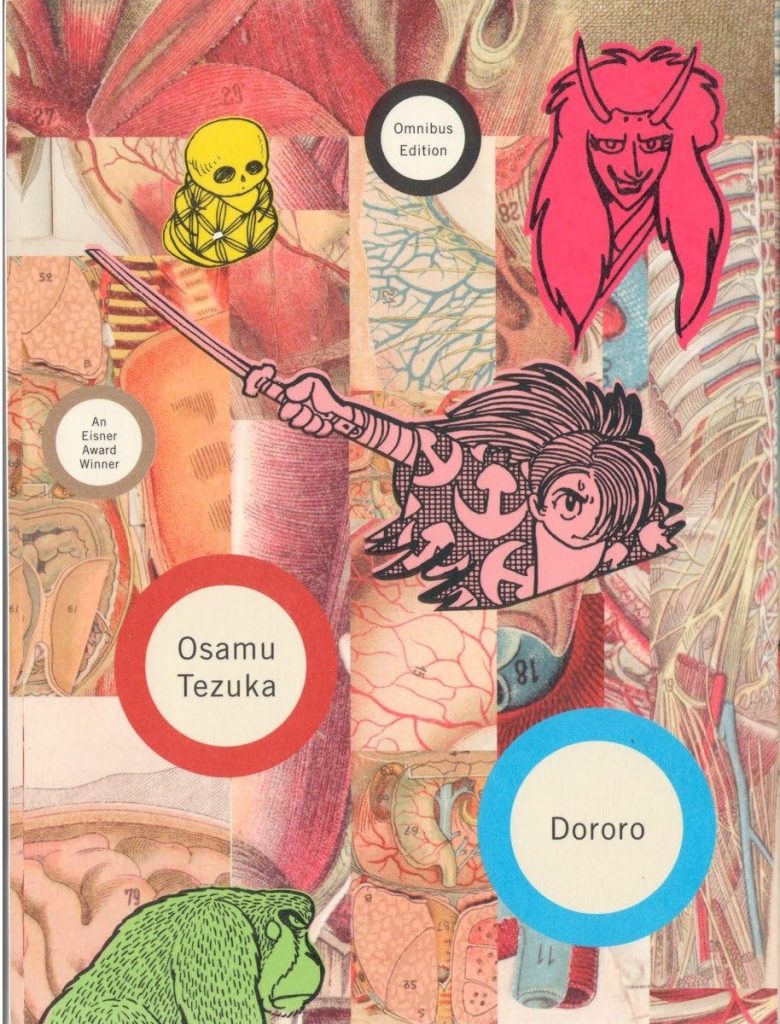
In a catalogue littered with greatness, Dororo may qualify as Osamu Tezuka’s best work for children. He serialised Dororo between 1967 and 1969, yet as the first translated volume picking up an Eisner Award in 2009 proves, it’s lost none of its appeal. Two Japanese animations, the last in 2019, and a live action film add weight, and it being a period piece set in feudal times also helps.
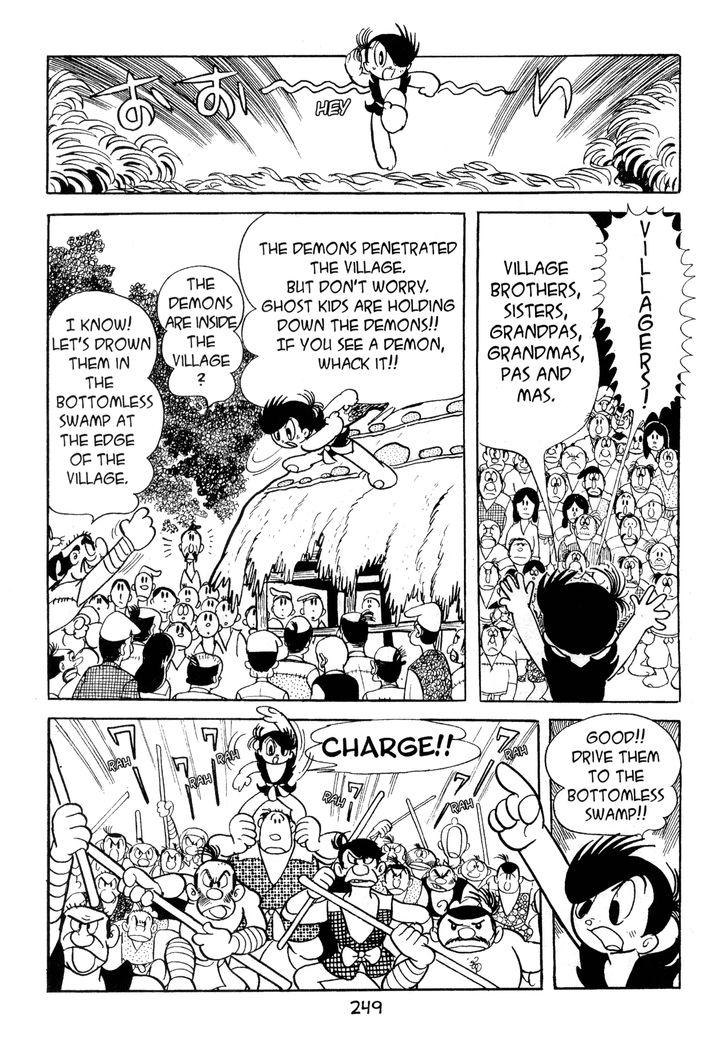
Although titled Dororo, the main character is Hyakkimaru, who picks up a scrappy urchin child as a companion to his own journey. The night before Hyakkimaru was born, his power-hungry father committed him to 48 demons in exchange for the power necessary to rule the land. He’s born without internal organs and body parts, but blessed with intuition and prosthetics. With each demon he slaughters an organ or limb is restored. An episodic adventure follows, the serialised chapters originally collected over three volumes combined in this Omnibus.
It’s funny, it’s superbly drawn, and it’s entertaining from start to finish. Tezuka’s consistently imaginative with his designs for the demons, there are some great battle scenes and unpredictability is key. The loose plot is Hyakkimaru’s quest, but that permits plenty of detours. Being orphaned is a theme recurring throughout Dororo, and Tezuka’s biography notes the inspiration being the abandoned street kids he saw in Tokyo twenty years earlier, shortly after World War II.
Although aimed at children in Japan, the premise of Hyakkimaru alone indicates cultural differences as to what constitutes acceptable material for the young. At the start the demons are drawn much in the manner of the sins depicted in Shazam’s origin, but some of their later manifestations are downright creepy, and other scenes feature that wouldn’t in American all-ages titles. On the other hand Tezuka’s lively cartooning goes a long way to disguising further disturbing moments.
Tezuka completed the 844 pages over two spells totalling eighteen months in the late 1960s. Writing and drawing an average of 46 pages per month is impressive enough, but take into account that Tezuka was also working on several other serials simultaneously (including Astro Boy and Swallowing the Earth), and additionally beginning to work on the animated Astro Boy. It’s an insane level of production yet the quality never suffers. Dororo is amazing.
Because these are such beloved characters, Tezuka’s estate has permitted Satoshi Shiki to produce a retelling as Dororo and Hyakkimaru, but read this first as Shiki doesn’t bother concealing a secret kept until almost the final pages here.