Review by Ian Keogh
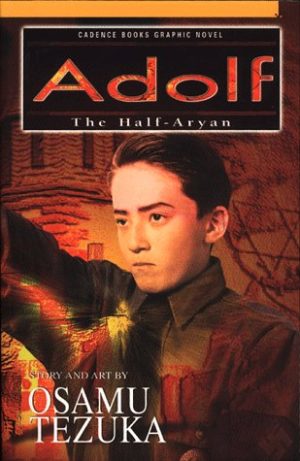
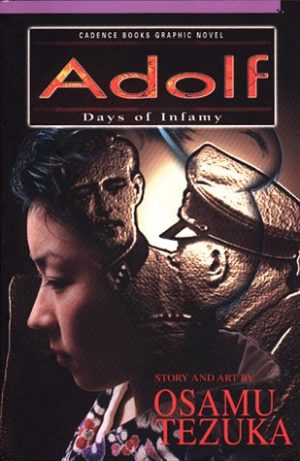
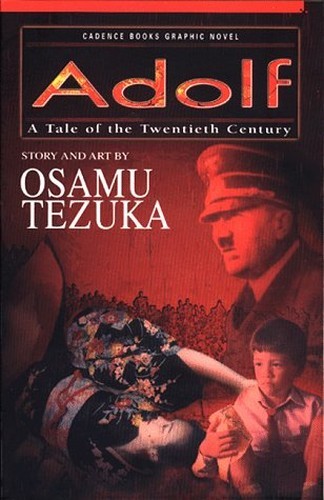
Adolf was the last serialised work Osamu Tezuka completed and concerns three people of that name, beginning in 1936. The most prominent has already forced his way to power and is about to enact his expansionist plans for Germany, but we don’t meet the other two before halfway into this first volume of five.
The intervening pages are occupied by the activities of Sohei Toge, a Japanese journalist in Berlin for the Olympic Games when his brother is murdered there. He locates his brother’s former girlfriend, but his enquiries are stonewalled and his life endangered. Tezuka delivers such a compelling thriller narrative that it wipes away any thought of Adolfs being in short supply until Hitler is featured at a rally. The exaggerations create a figure of ridicule delivering poison, yet while intended as a heroic figure, Toge’s actions will also make readers distinctly uncomfortable on occasion.
Audaciously, half the book is an action filled prologue setting up the remainder of the series, or at least part of it. Before his death Isao Toge discovered a secret he was sure would bring down the Nazis, and that hangs over the entire story, although what that secret is remains under wraps for some while. Only after Toge returns to Japan do we meet the other Adolfs in Kobe, both youngsters. Adolf Kaufmann is the son of a Nazi German consul and his Japanese wife, while baker’s son Adolf Kamil is German, but importantly also Jewish, so forbidden as a friend to the consul’s son.
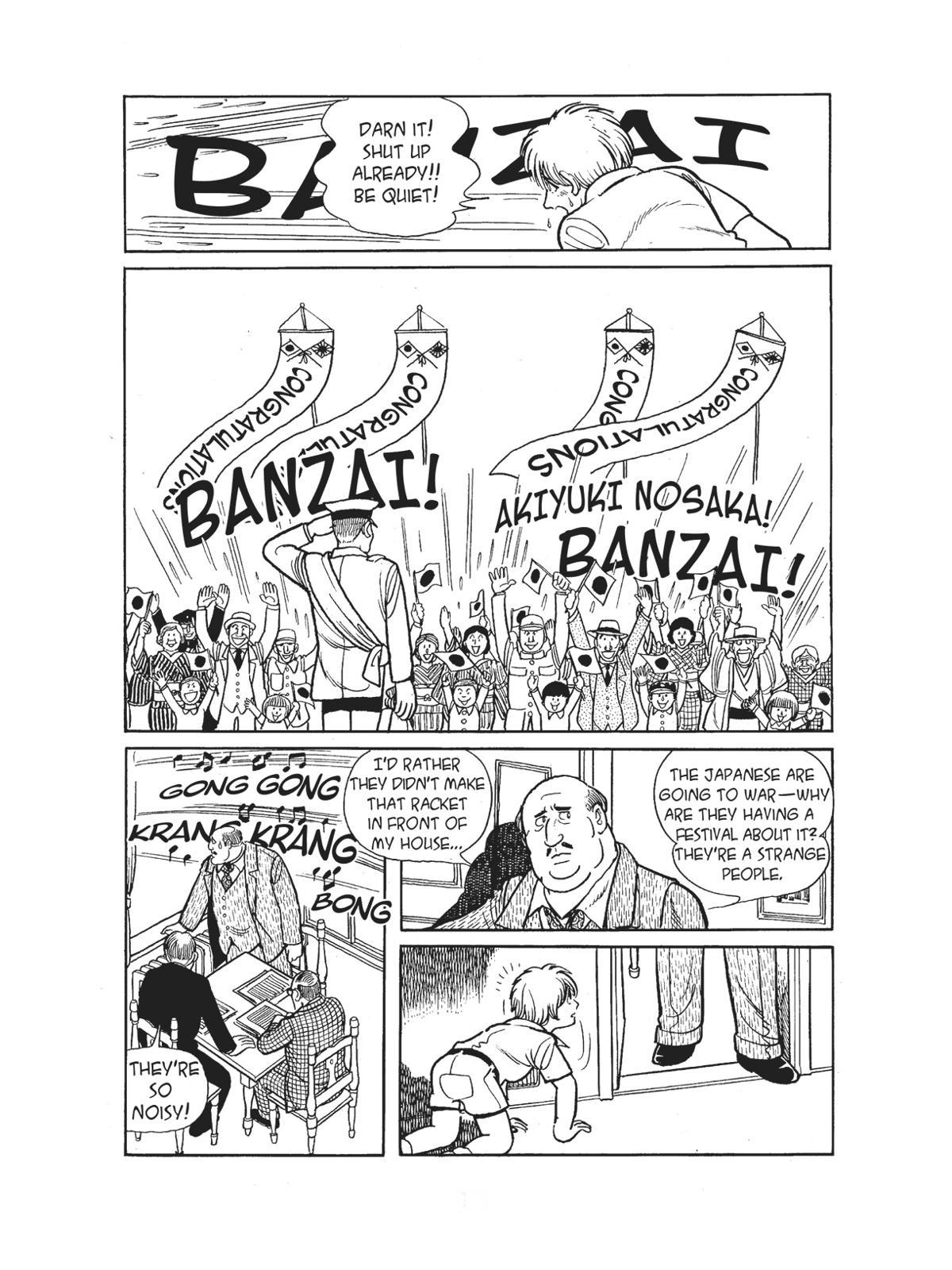
While the children are introduced and frequently seen, their greater prominence is in subsequent volumes, as for the most part Tezuka concentrates on adults here. He weaves a masterful crime drama in Kobe, enhanced by his considered storytelling having frequent unsettling moments, with a segue from one scene to another as the consul makes love to his wife a horrible insight into who he is. Tezuka’s art is astounding on a project he poured his heart into, with picturesque architecture, active children and atmospheric mood switches to suit the changing tone. He incorporates actual events to good effect, toward the end Kobe being flooded when a dam breaks.
Nazi ideology is seen from two sides, as the repellent thoughts to most of the world, yet absolute and correct in the consulate, with its pernicious effects very real to relatives of the Kamils in Germany. Tezuka also brings out the prevailing antipathy for Communism, and because the two Adolfs are young we see how events, beliefs and their loyalty to each other shape the people they’re becoming. It’s subtle drama of the highest order.
Over the final chapters both Adolfs become the focus, their friendship enduring harsh times and parental disapproval. As this volume closes they look set for very different futures.
In comics terms Tezuka sits in the chairs of the gods, and for many Adolf is his finest work. This opening volume offers substantial evidence backing that up. It’s also available as part of the first Message to Adolf hardcover along with the next instalment, An Exile in Japan.