Review by Karl Verhoven
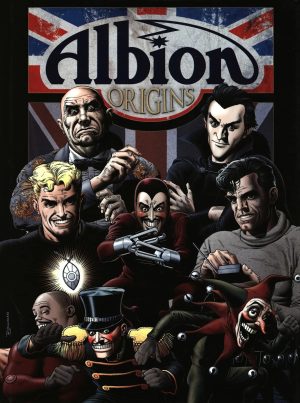
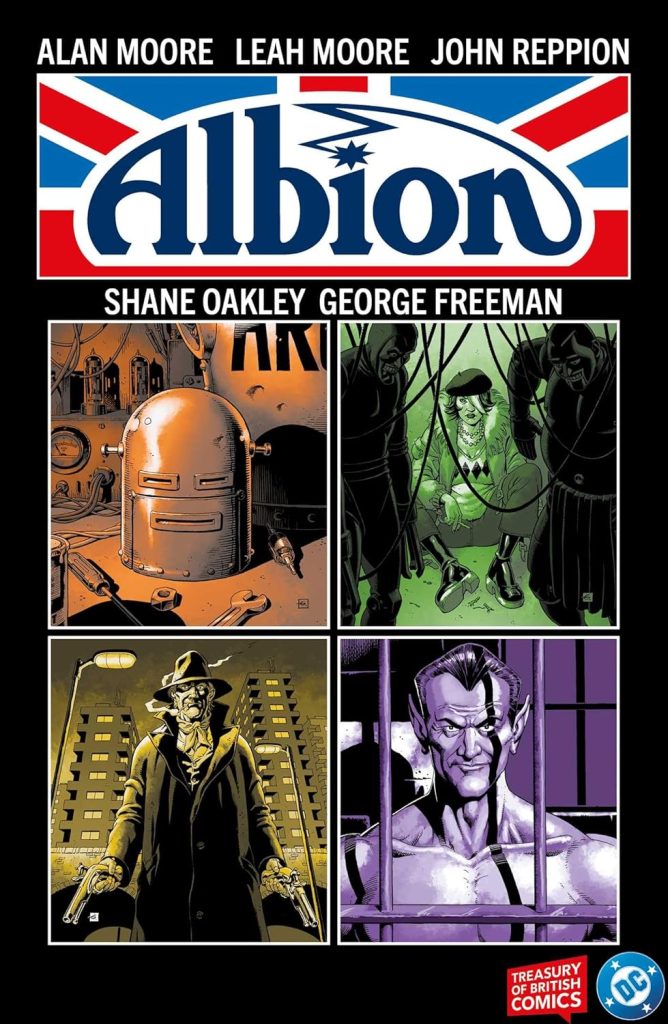
Albion may seem familiar ground for Alan Moore. After Watchmen, Lost Girls and League of Extraordinary Gentlemen, reconfiguring old characters is a signature technique. That, though, is the easy summary and neglects Moore’s ability to get under the skin of his cast. He remains true to who they are, yet is able to peel back layers and reveal a darkness. It’s a skill employed for Albion, the job perhaps simplified a little by so many classic British comic characters from the 1960s already having a dark side on show. Grimly Fiendish, Charlie Peace, the Spider, Janus Stark and the Steel Claw were originally villains one and all, and for Albion’s purposes based on ‘real’ people.
The conceit is all these maverick, and borderline insane characters were co-opted by the UK’s secret services, but for years now they’ve had no use for them, so where are they? That’s investigated by diehard 1960s comics enthusiast Danny, alongside Penny, daughter of maverick inventor Dolmann, abducted one day and never seen since. Readers, however, are shown a maximum security facility keeping all sorts behind walls and the tension it generates.
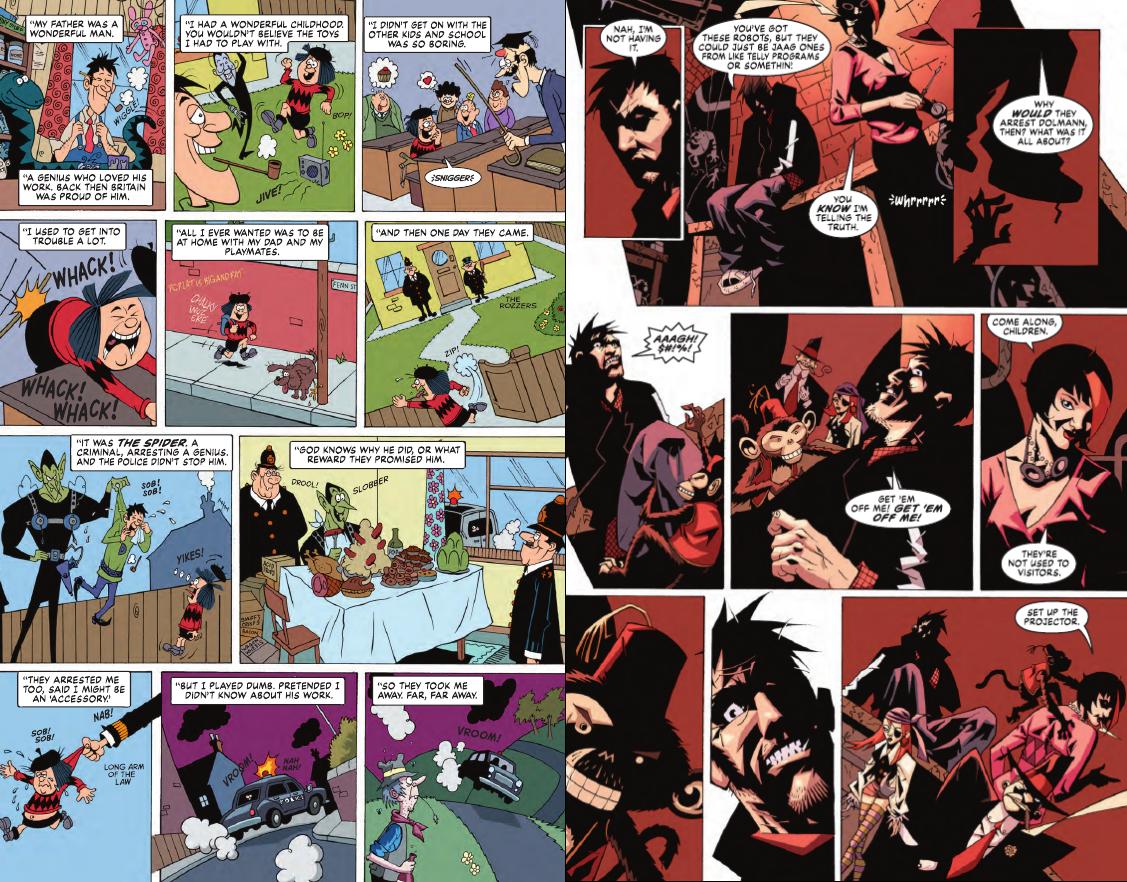
Moore provides the plot, but the script is by Leah Moore and John Reppion, and by turns it’s sardonic and portentous, precise in capturing a personality. The most fearsome beast of all is Captain Hurricane, a testosterone-rich brute who hates Nazis with a passion, but who venerates his mother: “I vowed I’d never let any stinking German set foot on the same soil as her”. Artist Shane Oakley’s version of him is plain terrifying, even in dressing gown and carpet slippers. Others are credibly upgraded to ‘real’ versions equally well, more recognisably human, but still grotesques.
Oakley plays a skilled game, perhaps over-reliant on shadow, but this is a dark world after all. Occasionally, though, he slips into excellent mimicry of the 1960s comics in which the cast originated. Whether comedy cartooning or more stock British adventure style in black and white, Oakley has the style down, and there’s also a fine line in visual jokes along the way, such as the bus heading to Peel Acres.
Whether down to Moore or the scripting partnership, there’s a meta-commentary on the idea of quintessentially British characters being co-opted for American consumption, yet the temptation to confound is resisted. Readers who thrilled to the exploits of these characters as children will recognise them all, but there’s no need for recognition for Albion’s plot to fall satisfyingly into place. It’s one of inevitable disaster a long time in coming, and eventually explodes satisfyingly.
The 2026 Rebellion edition finishes with an example of just how bonkers those old strips were as Tom Tully and Carlos Cruz provide ‘House of Dolmann’, featuring a rock band with a sideline robbing jewellery stores. They’re cornered by the puppets of retribution in a fairground and brought to justice! American readers of the 2006 edition were offered a whole companion volume of this stuff as Albion: Origins.