Review by Frank Plowright
How joyful it is when a graphic novel can genuinely be described as ‘unique’. English language graphic novels about food are rare enough, but while food-themed, The Solitary Gourmet moves beyond different dishes to the experience of eating food, encompassing the surroundings, the presentation, fellow diners and so much more.
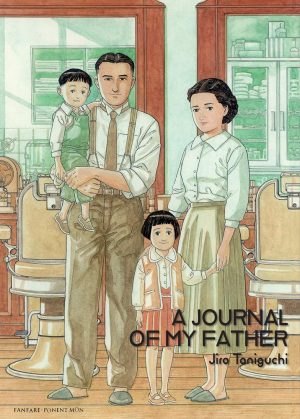
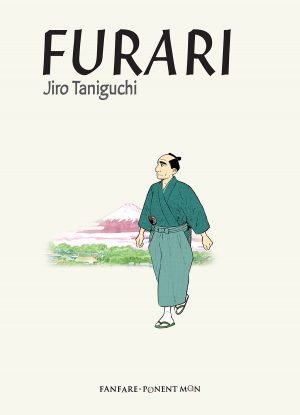
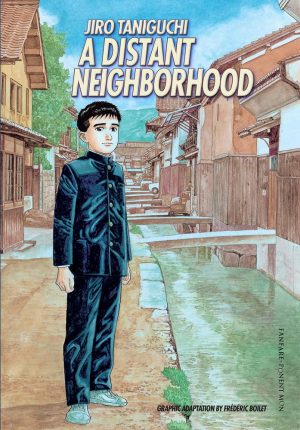
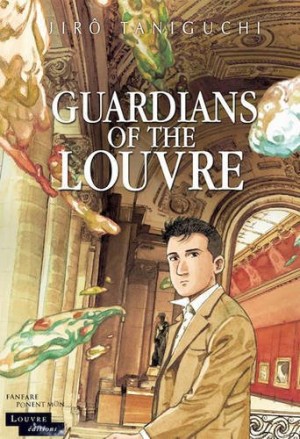
The art of Jiro Taniguchi is familiar from multiple translations, most from Fanfare/Ponent Mon, and it’s easy to see the quiet heart that drew him to collaborate with Masayuki Kusumi on a serene observational project not far removed from his own The Walking Man. It concerns Mr. Inogashira, whose business takes him all around Tokyo and sometimes beyond, often causing him to miss his usual mealtimes. He’s hungry when business concludes and searches for somewhere to eat in an unfamiliar area. Small restaurants thrive and we learn how much Japanese eating is matter of mixing to personal taste ingredients served on separate plates.
This English edition combines two Japanese books featuring nuances readers not steeped in Japanese culture won’t pick up on. The compensation is learning what’s deemed unconventional or impropriety, surprising by English standards. One episode features a visit to a diner early in the morning and Inogashira wondering if he should eat a certain dish at that hour. He’s amazed at other diners casually doing so. A different location lists items on the menu that won’t be available until the following month, and on being greeted when he entered, Inogashira has already noted what to him is a casual atmosphere. In another place he avoids seats he presumes are reserved for regulars and in a later restaurant diners are fined for leaving food. Such subtleties build incrementally.
Food is Inogashira’s primary concern, but Taniguchi’s is the faithful rendering of the assorted places visited, be they city districts, industrial areas or rural retreats, and artistically notable versions of each appear. The beauty of Taniguchi’s art draws no distinction between the finest restaurant and a pub where the barman cooks on a small stove between serving drinks. Because he’s such a precise artist it’s still a little surprising that his people have life and personality, particularly Inogashira himself, generally contemplative, but physically capable when angered.
Once the primary theme has been established there may be a feeling that repetition will ensue, and while some is inevitable, there’s surprising variety. Kusumi varies the scenarios to incorporate small dramas or observations on topics beyond food and surroundings, including glimpses into Inogashira’s past and his stay in hospital. There are also some comedies, such as a hot and sweaty time watching a baseball game, but Taniguchi never departs from his realistic style to service humour or action. More than anything, though, The Solitary Gourmet is about the appreciation of food, and by the end any reader will be versed in how adaptable Japanese dishes are, with each cook having an individual speciality, and Inogashira appreciating it all.
There a few clumsy translations and mis-spellings, especially in the hospital chapter, but generally editorial care matches that of the creators, with descriptions of the districts supplied. Not everyone can be expected to know the complexities of Japanese food, so menu style descriptions of each dish mentioned in a strip are supplied as it starts. Crucially, that’s whether or not they’ve been previously noted, a courtesy to readers who realise The Solitary Gourmet is a book to be dipped in and out of rather than greedily consumed in a single sitting.