Review by Frank Plowright
Danny Dillon can see what others only perceive at best. Electrical impulses in the brain are the basis of creative imagination, and these take form in the increased layers of the electromagnetic spectrum viewable by Danny. In practical terms, he’s able to see the family home is haunted by a classically drawn vampire and a cartoon cat. He’s spent much of his fourteen years observing the whole range of the fantastic, a galaxy of concepts, only a few of which crossed into reality. The remainder exist as half formed ideas floating in the ether, never destined to be fulfilled.
It’s perhaps a difficult idea to grasp, and Syzmon Kudranski explains in depth over Something Epic’s opening pages. In wanting to ensure readers have clarity, several pages of text and illustration are supplied. The illustration is great, the text not so great, and there’s a suspicion it’s going to result in the opposite effect of putting readers off before Something Epic has properly begun.
With the initial complexities explained, the hope would be of Kudranski moving matters forward, which he does, but at glacial pace. The first eighty pages, just under half the story content, reveal little more than what Danny can see, that his mother’s ill, his reflections on a disappointing life and a couple of attempts to control his powers. It’s barely twenty pages of plot, never mind eighty.
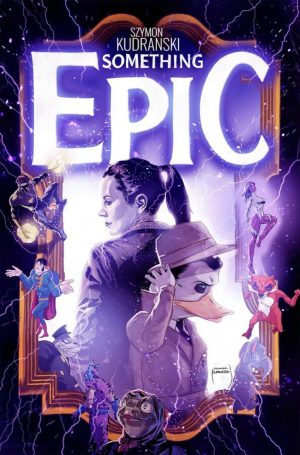
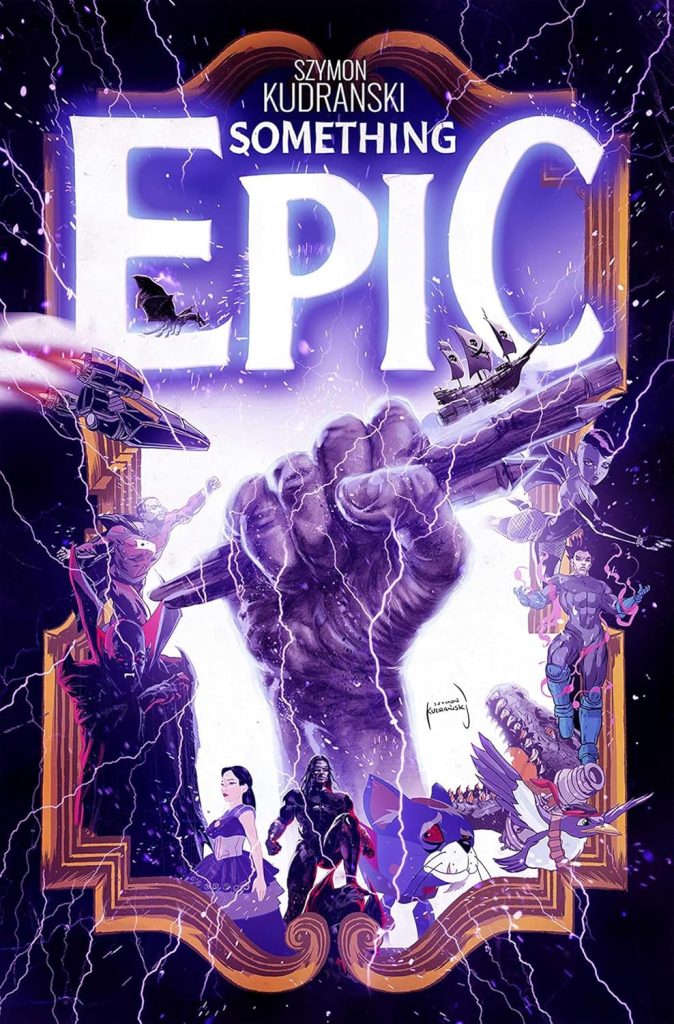
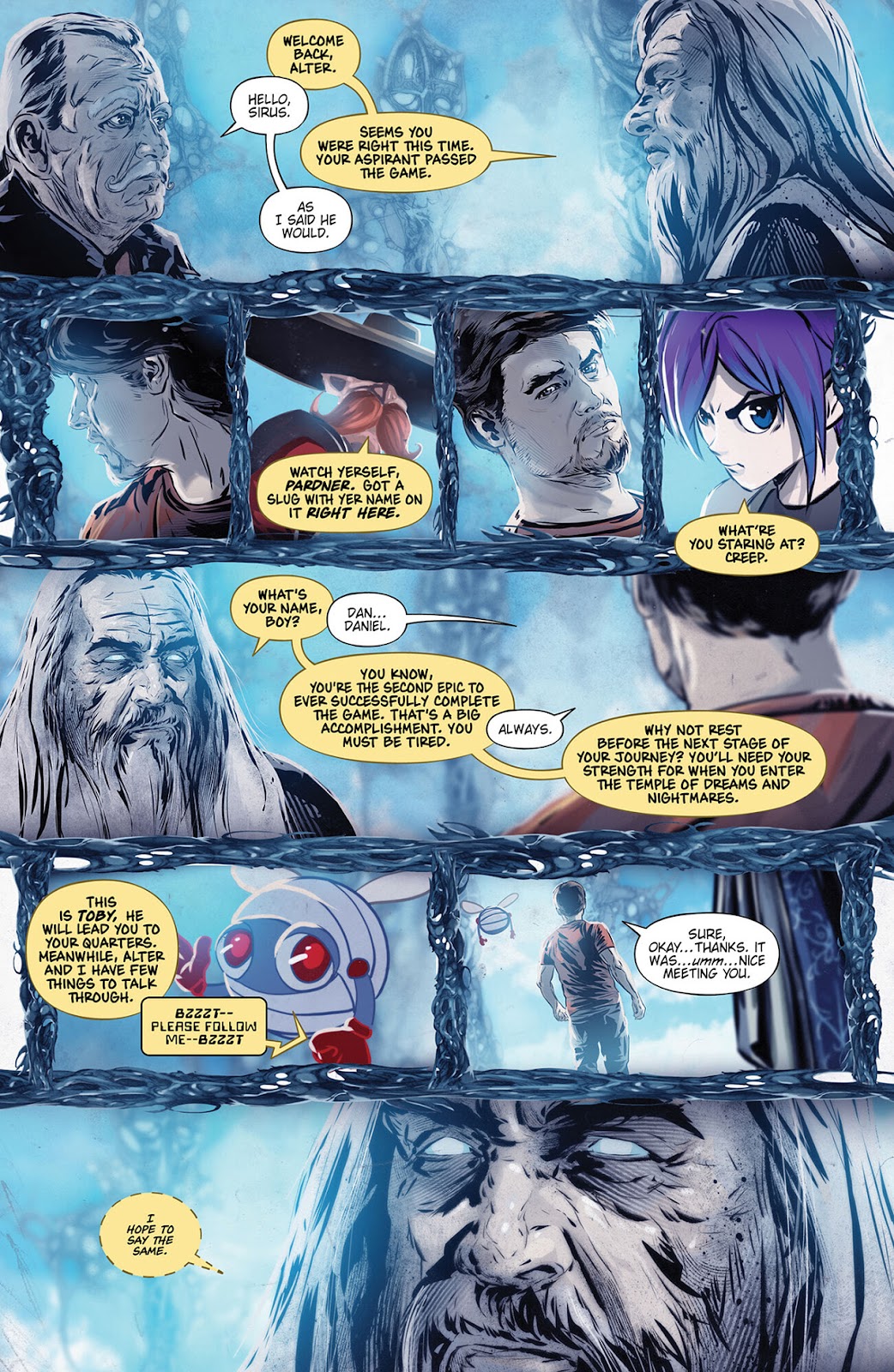
The initial attraction, though, is of Kudranski the artist, and there are no disappointments on that score. Imaginatively composed pages feature beautifully drawn portraits and montages of Danny’s uncanny visions, emotionally balanced and atmospheric.
Midway through we switch to Danny as an adult, now able to exert control over what he sees via repressing his emotions. He’s approached by a middle aged mentor and told of a quest he has to undertake and a foe he must overcome. At this point anyone who’s read a fair few comics is going to be thinking that Kudranski is leading us toward the hoary old plot of Danny having to confront the darkness within himself, but because that’s so obvious he’ll have something else in mind, something epic perhaps. He doesn’t. The final third of the book is the journey to the inevitable via a path so well trodden it’s a ditch. Worse still, despite all the comics he’s drawn, Kudranski has no idea how to distill an idea. Everything requires such a long explanation amid scene after scene without purpose. It’s all terminally dull, but beautifully drawn.
Incredibly, though, Kudranski’s not finished and Volume Two follows.