Review by Ian Keogh
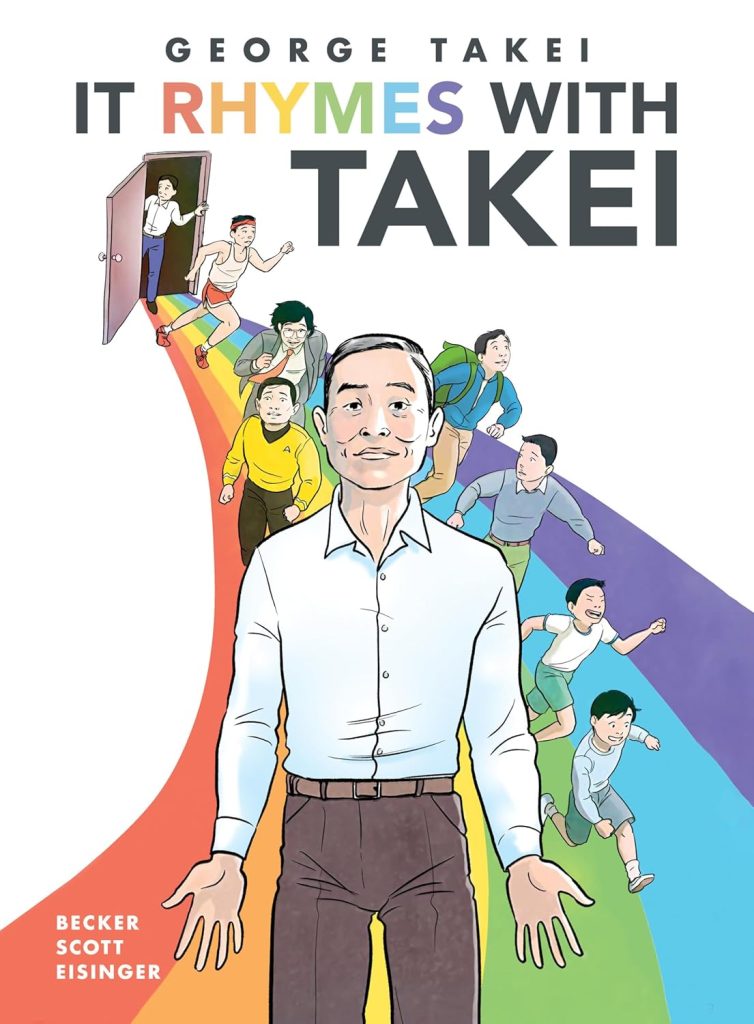
George Takei remains globally known to the widest amount of people as the actor who played Mr. Sulu in the original Star Trek series, but as They Called Us Enemy revealed, there’s been a lot more to his life than most people know. Using the same collaborators, writers Steven Scott and Justin Eisinger, and artist Harmony Becker, Takei now produces a more general autobiography.
In recent years Takei has promoted LGBT rights with a fervour that could possibly only come from someone who didn’t come out as gay until they were 68. It’s revealed why early. His activism, however, began during his teens, starting with volunteering for the Junior Red Cross. From there we learn about struggling with sexual identity in repressive times, Takei’s first college course being architecture and that eventually being superseded by a desire to act.
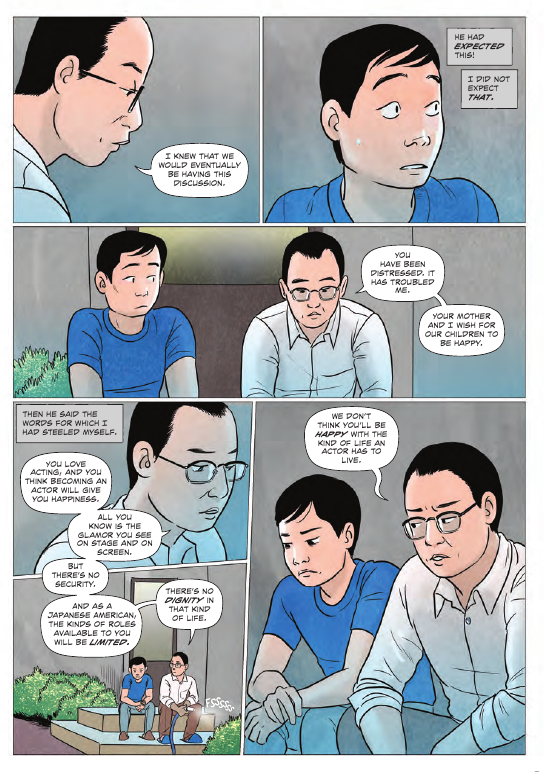
The extent of the writing collaboration isn’t noted, but the presumption is Scott and Eisinger breaking down Takei’s words for presentation in comics form, and that’s efficiently handled. The art isn’t as efficient. Becker keeps things as simple as possible and brightly coloured, but likenesses aren’t a strength, and that ought to be a necessity for a story peppered with numerous well known figures. Were they not named, from the illustrations alone you’d not recognise John F. Kennedy, Arnold Schwarzenegger or indeed Takei in his most famous role. The European locations Takei toured in 1964 are more sympathetically rendered.
They Called Us Enemy was a creative success because Takei had a unique story to tell, and while there are a few occasions where the emotional turmoil or confusion conveys, there’s not enough to It Rhymes With Takei removing Takei from the remainder of humanity to grip readers. We don’t reach what most will be here for until halfway through, and the Star Trek TV show is dealt with in fifteen pages. In terms of a life three years is a brief period, but that’s what most readers of Takei’s biography will want to know about, and they’re going to feel short-changed.
It’s post-Star Trek, though, that Takei’s life moves away from being the experiences many have shared to more singular opportunities. He uses his higher public profile to promote electoral candidates he believes in, constantly fearing he’ll be outed as gay, and the heartbreak of AIDS in the early 1980s is represented by a single disturbing example of heartless behaviour. Also sad is Takei finally coming out to his family and the discoveries that prompts.
The passionate and honest memoir’s final quarter is almost exclusively centred on the life Takei’s led since coming out, which has sadly been one campaign after another as more California voters than not thought it was their business who others married. It takes over the narrative as Takei frequently quotes himself from TV and radio appearances on an issue not just confined to California. As ever, the wonder is that so many people can motivate themselves over the subject of gay marriage while turning a blind eye to so much else.
It’s possible that in the USA Takei’s activism and appearances on Howard Stern’s radio show have exceeded his acting fame, but the feeling is that many buyers of It Rhymes With Takei aren’t going to get what they want.