Review by Ian Keogh
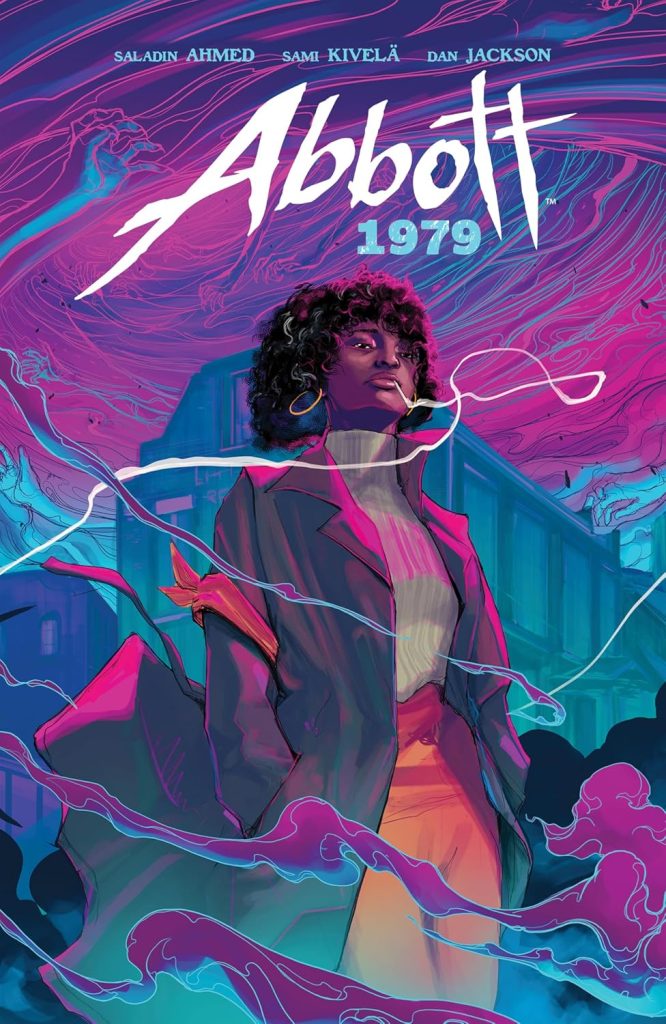
Over two previous graphic novels Emilia Abbott has been seen both as a crusading journalist and a once in a generation protector against a supernatural darkness. She’s someone who always strives to do the right thing, but as pointed out in the downbeat conclusion to 1973, she somehow also seems to be a trouble magnet. It’s now 1979, and Abbott has seen a bad few years. She’s barely employed as a journalist, and certainly no longer investigating, she has no relationship, and the darkness is gathering around Detroit.
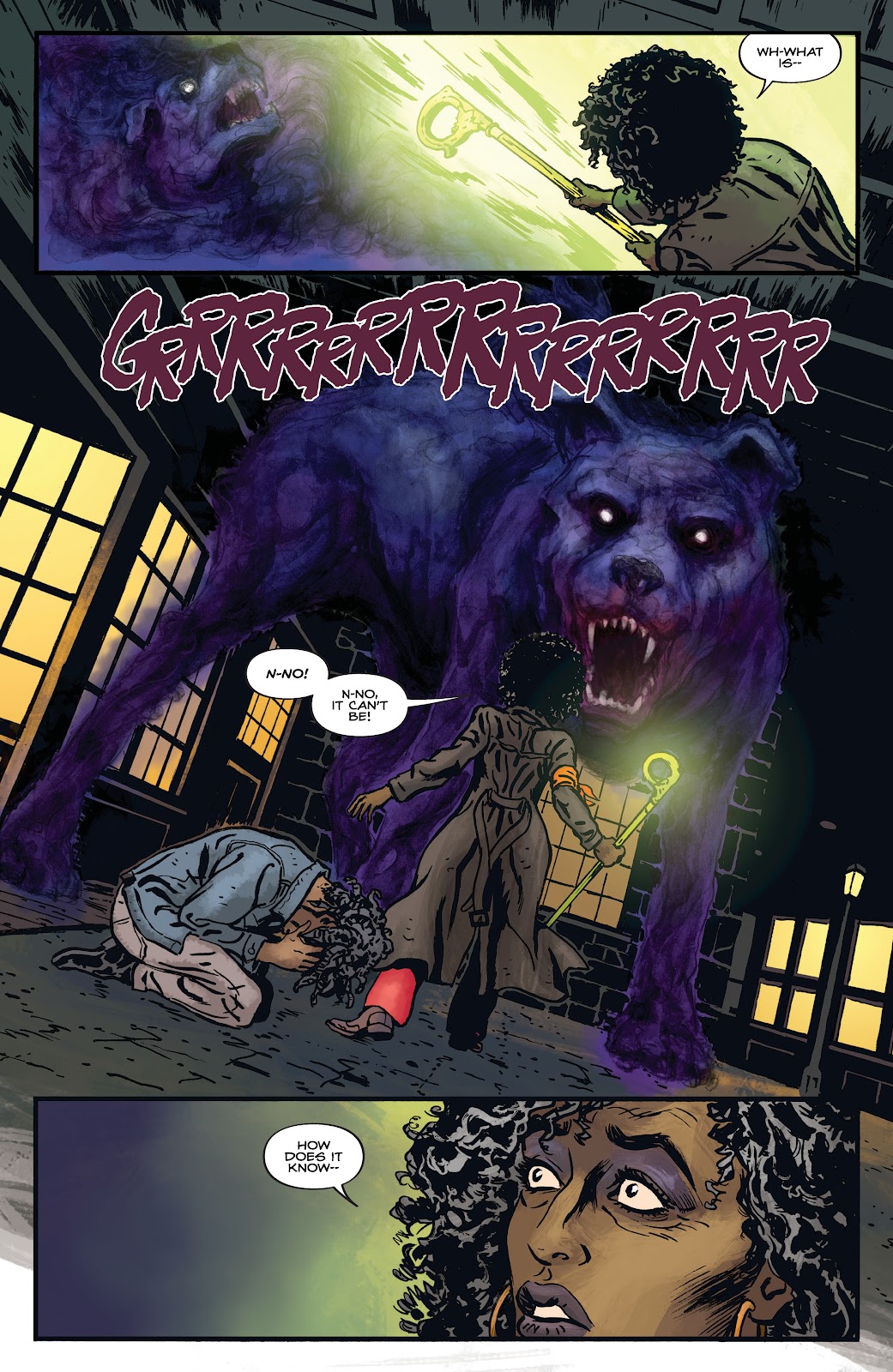
The best aspect of Abbott’s introductory story was Saladin Ahmed and Sami Kivelä’s thoroughly establishing her personality and the environment she inhabited, with the supernatural intrusions minimal. The supernatural elements, though, have come to dominate, and the balance is no longer as appealing. It’s because no matter how well Kivelä presents the threats, and his art is again excellent, it’s largely serving a type of plot readers will be familiar with.
It’s not helped at this late stage by Ahmed arbitrarily changing the rules. Abbott, previously so strong in representing forces of light struggles to generate much more than a glow. Had the upsetting solution been mentioned in the first book it would be fine, but here it reads as a button-pushing contrivance to induce a greater level of tragedy. It’s not required either, as the downbeat Abbott drawn by Kivelä tells us all we need to know about the strain taken on her over the previous few years.
Within the boundaries of a supernatural invasion tale everything works, especially the additional possible personal cost when the climactic battle arrives, and Kivelä supplies some mighty potent threats. However, they service a relatively commonplace story, when the career struggles Abbott faced are far more interesting.
There’s a definitive conclusion here, but on other projects Ahmed has better merged the personal with the fantastic.