Review by Frank Plowright
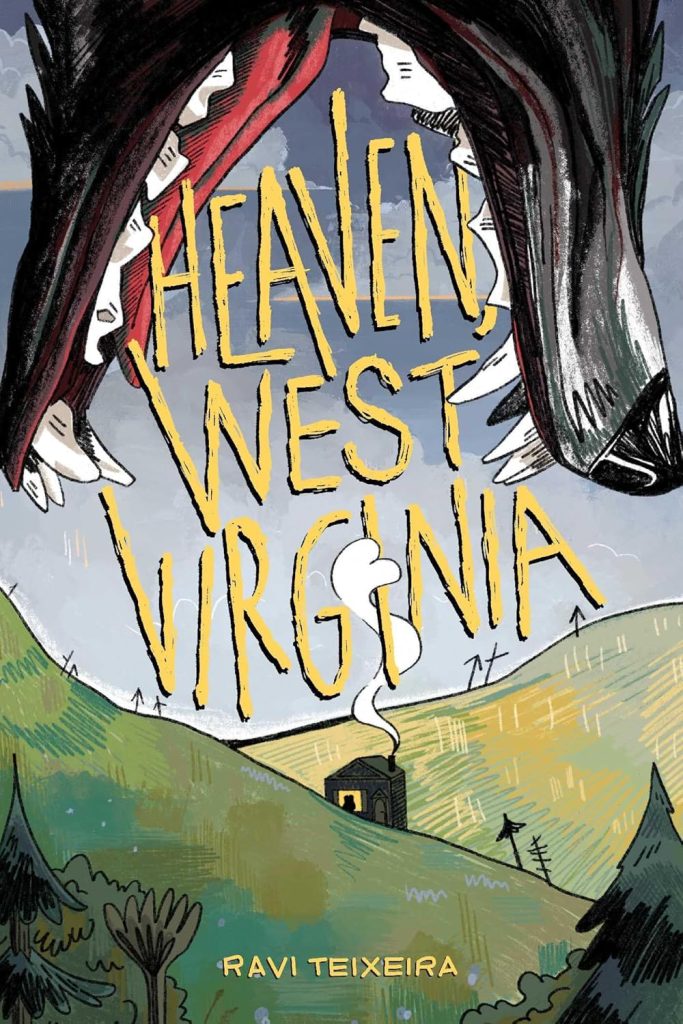
Heaven, West Virginia begins with Lamont burying his father. Everyone at the service offers the customary platitudes, with only a single dissenting voice offering a more honest opinion. Moving to rural Virginia to live with his single-minded art should be a new start for Lamont, but he keeps seeing a ferocious, slavering beast. No-one else does. There are also hints that Lamont has been suppressing an integral part of his nature.
Aunt Latoya’s herbal tea recipes separating what’s fundamentally a horror story makes for an interesting contrast as Ravi Teixeira delivers a catalogue of the dangers out in the woods. Considering a policy of using as few words as possible, these are oversold, the threats almost underlined.
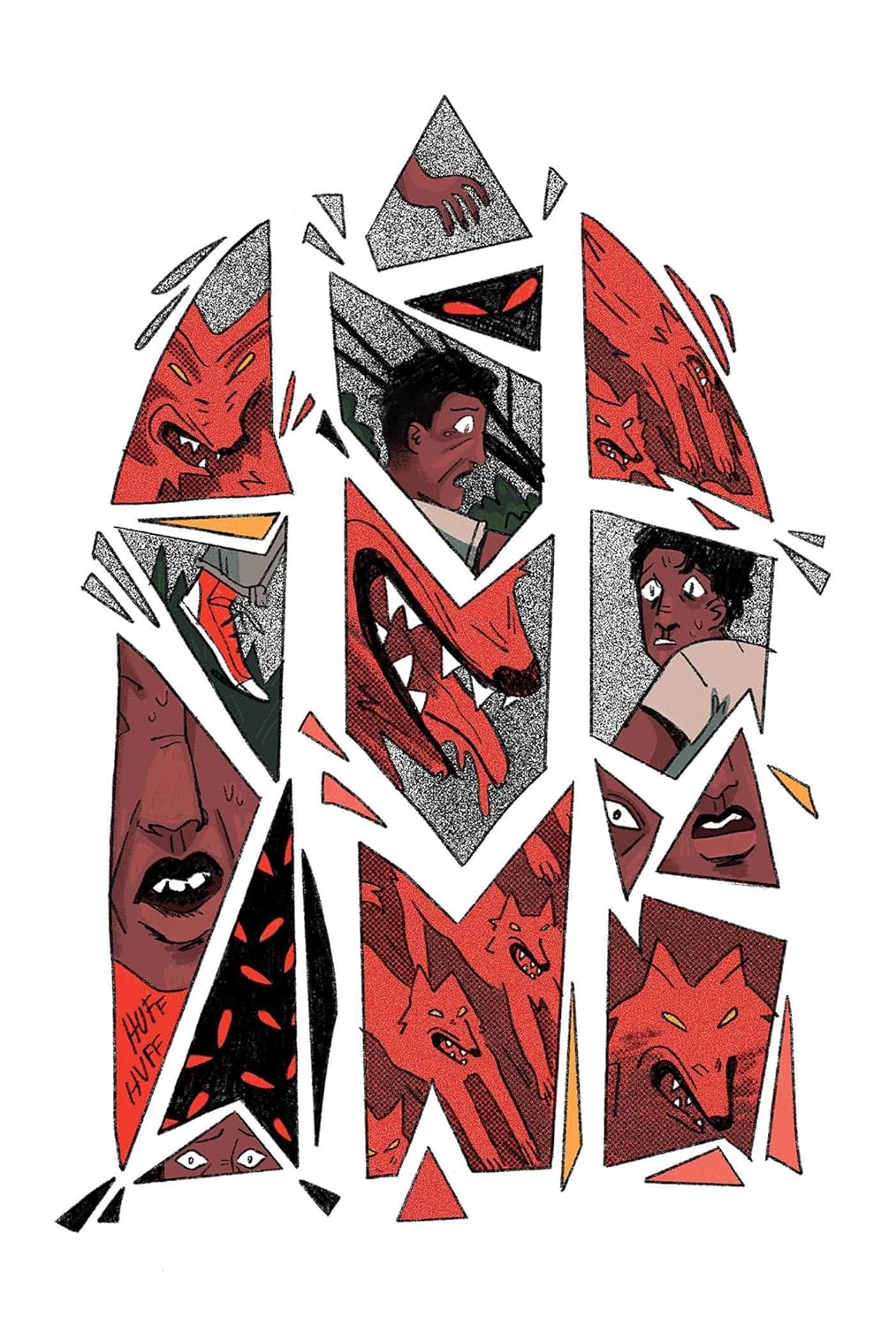
A simple illustrative style is seen at its most creative when things fall apart, as on the sample art, otherwise the art ensures the story is conveyed, but without any great style. It’s sketchy and supplies the bare minimum, with the design and decorations largely confined to the recipe pages.
Heavy on symbolism and metaphorical allusions, Heaven, West Virginia is going to puzzle most readers rather than embrace them with its mysteries. There’s clarity that Lamont needs to exorcise the influence of his domineering father and follow his own path, but if the terrors he sees are metaphorical they’re overplayed and superficial, and if literal they require greater explanation. Beyond that, while Lamont transmits as a lost soul searching his own path, the walks he takes are repetitive, and all the supposed foreshadowing is revealed to have little purpose. It’s very much a missed opportunity.