
Review by Frank Plowright
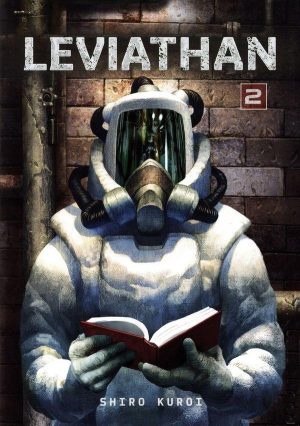
Looters breaking into the wreckage of a space cruiser discover they’ve located Leviathan, a missing passenger cruiser that vanished, and for which there’s a reward. They also find a journal.
Readers rapidly discover why the ship is a wreck. Automatic seals ensured the passenger area remained intact when much of the remainder of the ship was impacted. In the short term the people are protected, but there’s no safety beacon in that area of the ship, and although there’s an air supply, it’s only for two days, which is not enough to keep everyone alive until a rescue ship arrives. The survivors are a bunch of children and the teachers tasked with supervising them. Shiro Kuroi ensures the situation rapidly declines from there.
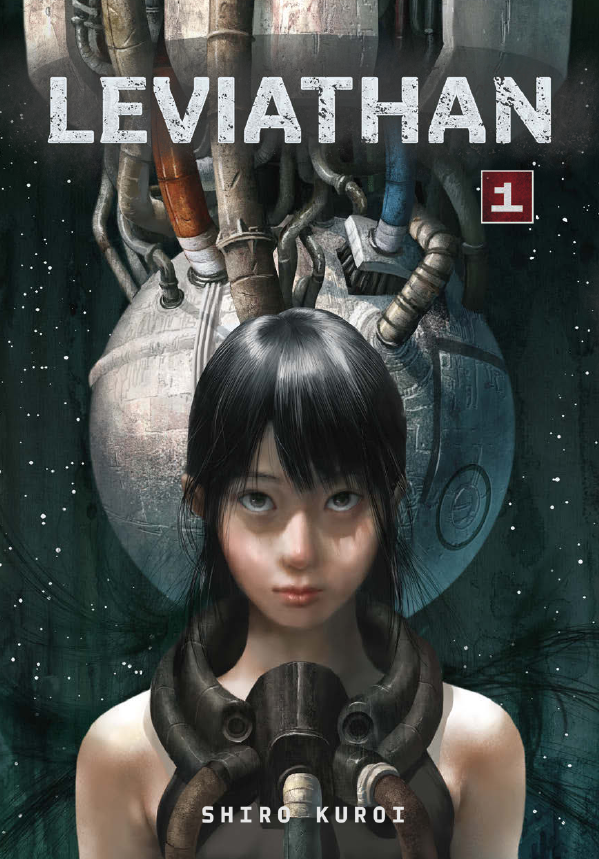
It’s the art that first strikes about Leviathan, almost a manga version of Richard Corben with distinctively drawn people in stressful situations, and a lack of fear about showing feral activity, so Leviathan is extremely violent. The characters are embedded in simple, but intensely shaded locations highlighting their frailty.
The children conform to school stereotypes – you can tick off the loner, the bullies and the anxious kid – but are given depth via the circumstances becoming life or death. A carrot of survival is dangled early, but only for a single person, and while Kuroi lets events as recorded in the journal take precedence, he never forgets about the discoverers. They conclude that if the journal isn’t a complete fantasy there’s possibly someone still alive on the ship, and they’re a killer. People die, but for a long time readers are only shown one definitive cause, an accidental death in self-defence, meaning we’re as invested as the looters in discovering the truth.
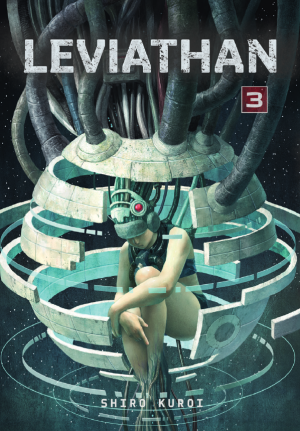
This is a stunning début from Kuroi. There’s an immediate hook, great art, constant tension and it’s different enough for people to take notice. All hell has broken loose by the end, and Leviathan 2 continues the slaughter.