Review by Ian Keogh
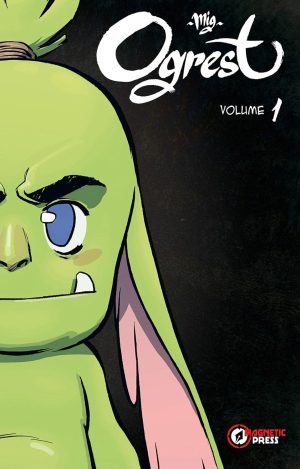
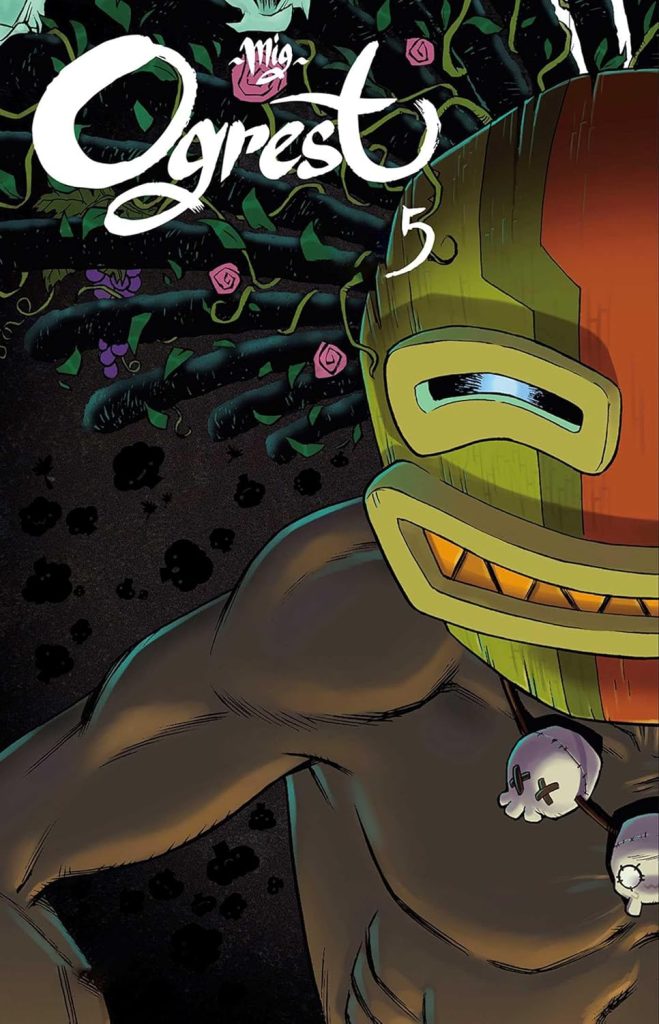
Ogrest is a massive and powerful ogre, but despite experiencing accelerated growth his mind is still that of a young child. In searching for his abducted adoptive mother Dathura he’s unknowingly become involved in plotting by the children of the gods to overthrow their parents. It’s a fair while, however, before we see Ogrest. Instead creator Mig looks in on Otomai, Ogrest’s father figure, on his remote island and the strange events occurring there.
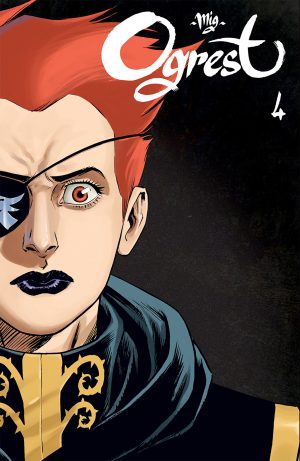
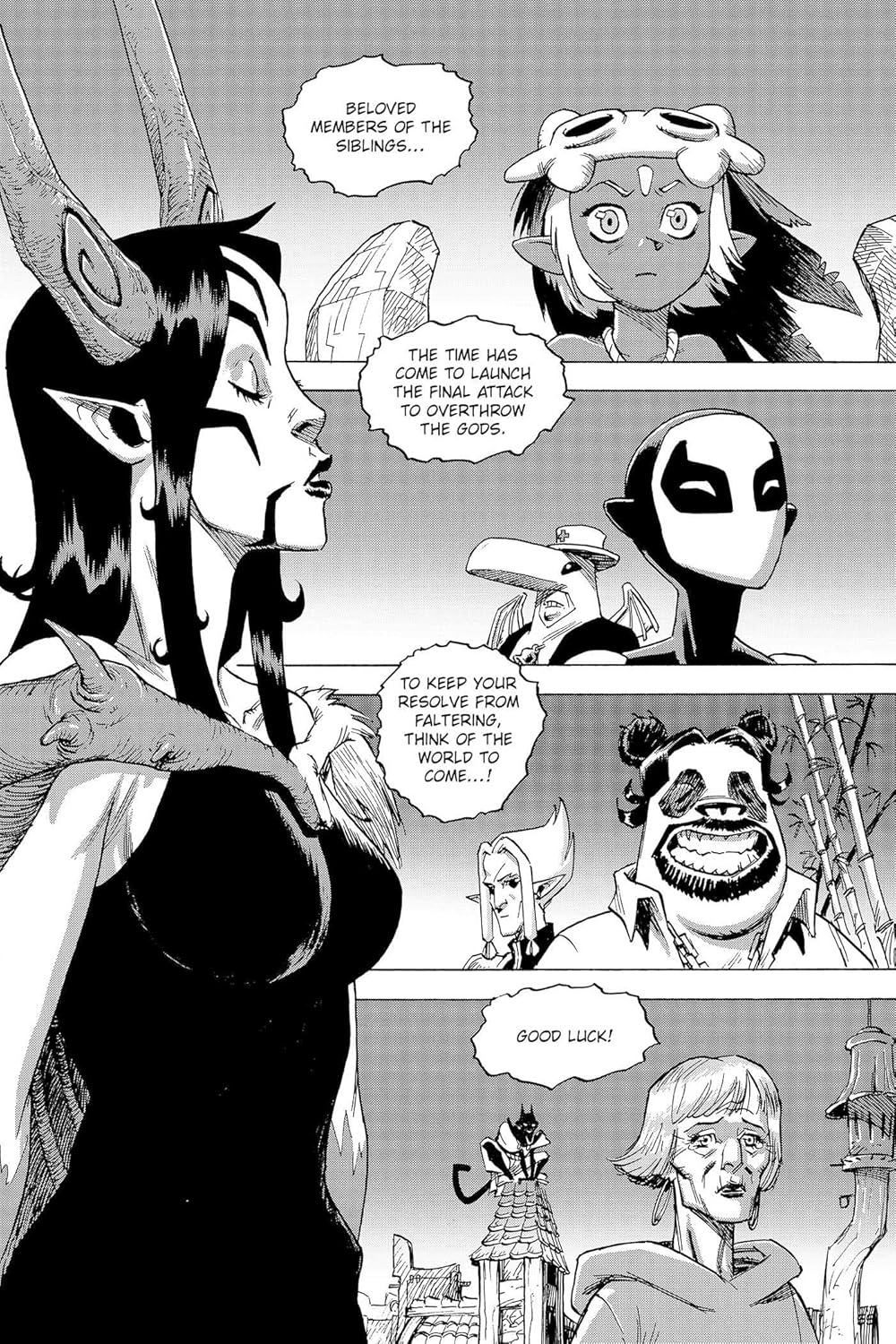
Although Mig’s art has been good and character-rich from the start, these pages improve on that high standard. The locations are stunning. Mig invests the time to make a dishevelled portion of town, the local harbour or even the sewer system look attractive, his use of light and shade contributing greatly. It’s particularly apparent in the expressive representational way Mig supplies insert chapters about Sadida. As seen on the sample page, the designs of new characters are continually creative and different, but there are so many of them it requires a good memory to keep up with them all and their motivations.
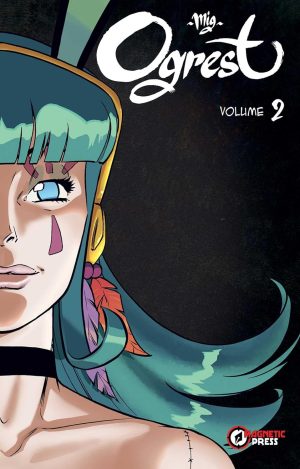
In this volume we finally meet the gods being rebelled against and we learn a great deal about some and what they’ve been up to. What we’ve seen over four volumes ties in intelligently, especially Trumbo the Iop whose name now makes a lot more sense, while we learn more of Dathura’s past and why she’s so important in the overall scheme of things.
When we do catch up with Ogrest he’s still with new friend Klobar and the unconscious Dathura, but his participation is episodic until halfway through. By then the sheer amount of people Mig’s including on the pages and their activity demonstrates why in France four years separated Volume 5’s publication from Volume 4. The final pages pit Ogrest against the gods, by which time we know what’s at stake.
There’s always something of interest going on in Ogrest, and Mig’s had plenty of time for diversions, so bearing that in mind, the ending is rushed and almost slapdash. Mig spent twelve years creating the five volumes of Ogrest, and the ending reads as if he decided enough was enough and he needed to move on as quickly as possible. Not many readers are going to be happy with the outcome. The shame is that content leading up to the ending was shaping up to crown this volume as best of the series. The art is phenomenal, the way various plots are pulled together is impressive, and there’s a part for everyone seen to date. So, great in places, but fatally flawed by the ending.