Review by Frank Plowright
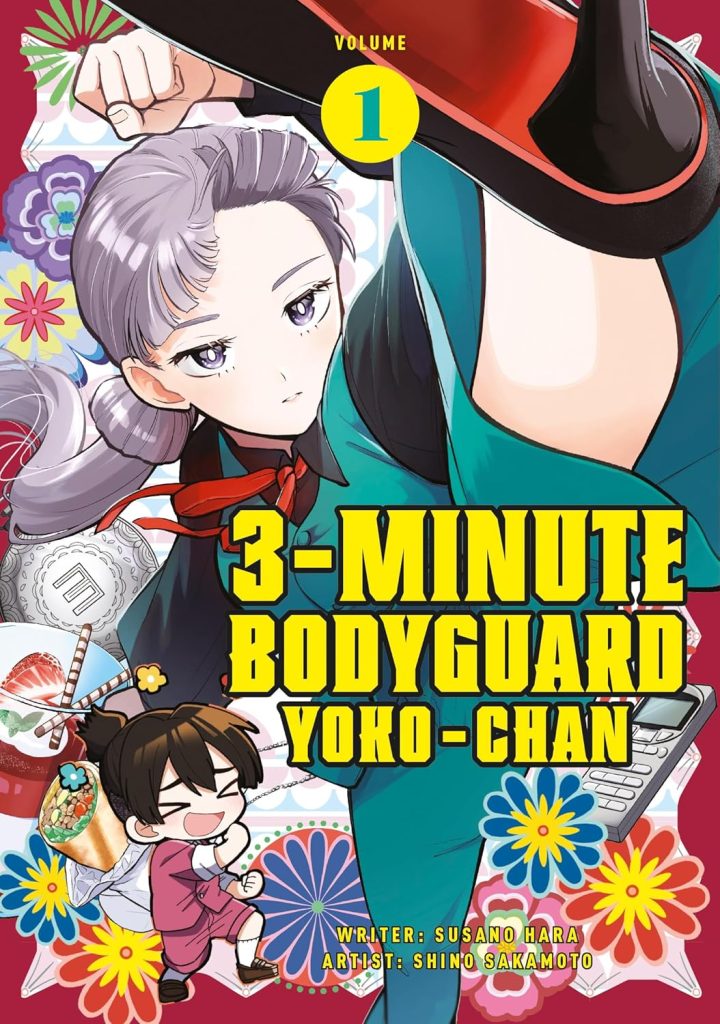
José Sandoval’s family is rich. Very rich. That, though just makes him a target for thugs and kidnappers. He’s so rich, though, he can afford Yoko-Chan, a bodyguard, which, you might think, would see the problem solved. Except the disparity been rich and poor is so vast that there’s always someone else who considers it worth trying their luck.
Susano Haro and Shino Sakamoto pack 23 episodes into this slim paperback, the longest of them only occupying eight pages. In this respect they resemble episodes of old British weekly comics, but instead of packing up to fifteen panels onto a page, six is more the order of the day, meaning there’s no messing around with lengthy explanations or logical plots. You have to take José’s explanations of matters for granted. For instance, he may be super rich beyond the dreams of most, but Yoko-Chan is so expensive to hire José can only afford her for three minutes a day. It transmits as extremely artificial. If she earns that much she’d be super rich herself.
Neither does José come across very sympathetically as a star character, resembling a smug Richie Rich with no consideration for others. It’s meant to be funny, but not everyone will see it that way. He develops, though, and the smugness diminishes as he becomes infatuated with Yoko-Chan.
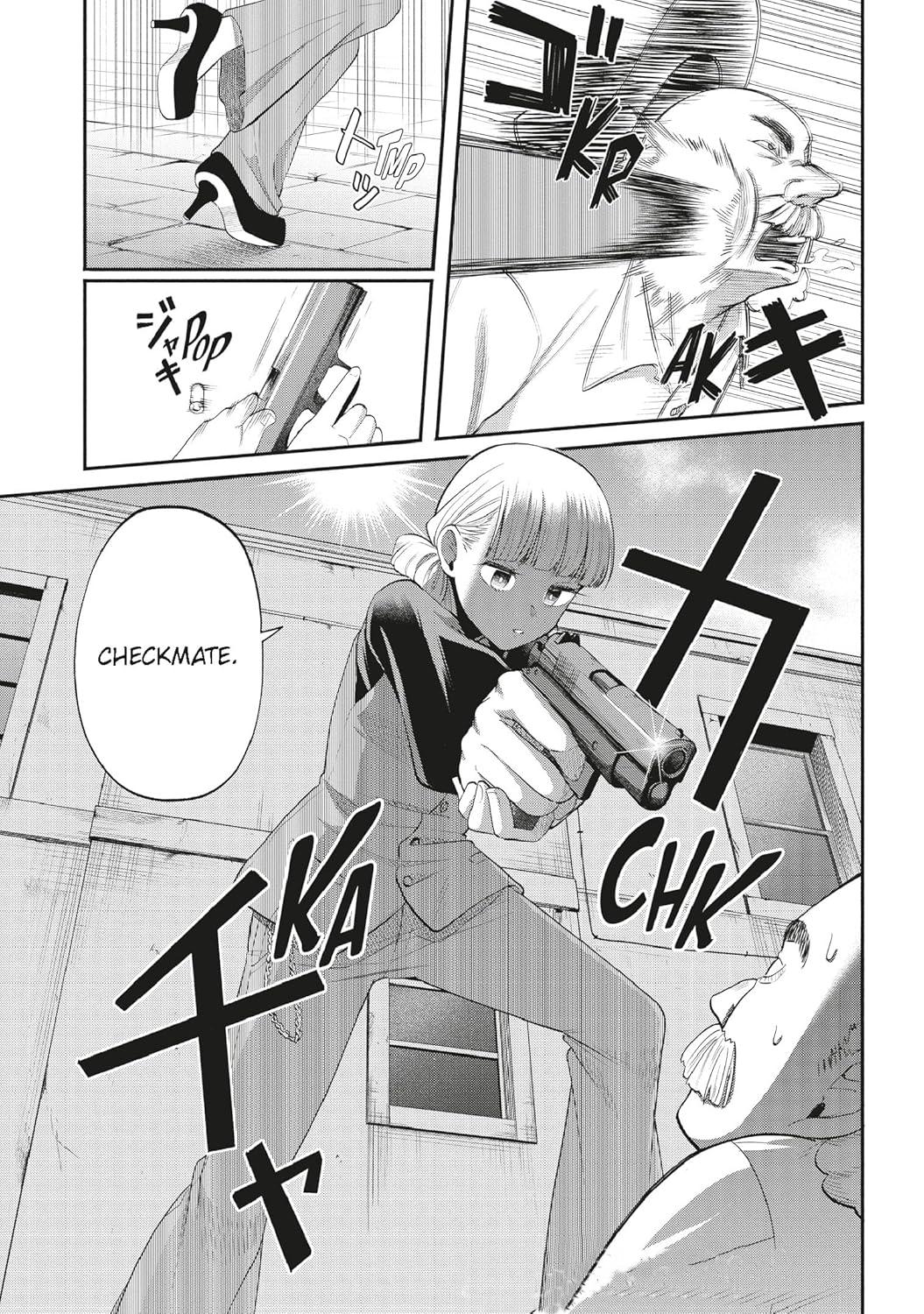
Sakamoto’s cartooning hits all the right beats. Yoko-Chan can be a blur of violent activity, or super cute and almost shy according to the circumstances, while the assorted thugs are suitably threatening. As the situations develop, so does the art, with Sakamoto a clear storyteller, no matter the circumstances.
After the quick early chapters Haro’s plots need to become trickier to avoid repetition, so the thugs become more resourceful, plotting their capers to minimise the chances of José’s rescue, and there are more chapters where José’s just trying to stay close to Yoko-Chan for three minutes. There is progression, with the central relationship gradually evolving, but there’s never enough depth to the characters to generate any great sympathy. It means that despite the art and some funny moments, 3-Minute Bodyguard consistently comes across as a title where something is lost in translation. It’s not wacky enough, sweet enough or inventive enough to overcome the three minute contrivance, although the best chapters near the end avoid the artificiality and offer hope for improvement in Volume 2.